

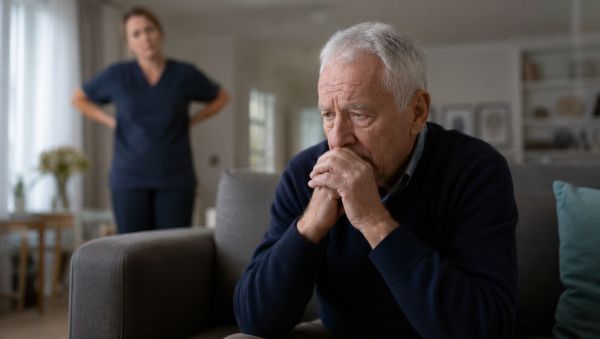
Nursing home elopement occurs when a resident leaves a facility or supervised area without authorization or staff awareness. It’s most common among patients living with dementia, Alzheimer’s disease or other cognitive impairments that affect judgment, memory and decision-making. When a resident leaves the controlled environment of a nursing home without proper supervision, the consequences can be severe.
For starters, these individuals are often already vulnerable due to age-related health conditions, physical limitations or cognitive decline. Once outside the safety and structure of the facility, they may become disoriented, unable to recognize potential dangers or make decisions that protect their well-being.
The longer a resident remains unsupervised, the greater the risk of severe injury or even death. For instance, they may wander into traffic, fall on uneven surfaces, suffer exposure to extreme temperatures or become dehydrated. Some residents may unwittingly enter unsafe areas such as construction zones, bodies of water or busy roadways.
It is a known and foreseeable risk
Nursing home elopement is a well-documented risk in long-term care settings, and facilities are generally expected to anticipate it and take reasonable steps to keep residents safe. This means door alarms that actually work, wander-guard bracelets that get checked, staff-to-resident ratios sufficient to quickly notice an absence and regular monitoring of residents who are particularly vulnerable to wandering.
When a facility fails to implement such safeguards or fails to consistently follow them, it may be legally liable if a resident wanders away unsupervised and suffers harm. Common contributing factors include lapses in supervision, inadequate staffing, poor training or failures in the facility’s safety systems.
Holding a negligent facility accountable
If your loved one wandered away from their nursing home and was hurt, you deserve real answers about what went wrong and why, not vague reassurances from the same facility that was supposed to be watching them. Professional legal guidance can help you get those answers, walk you through what your family’s options look like and make sure the people responsible are held to account.